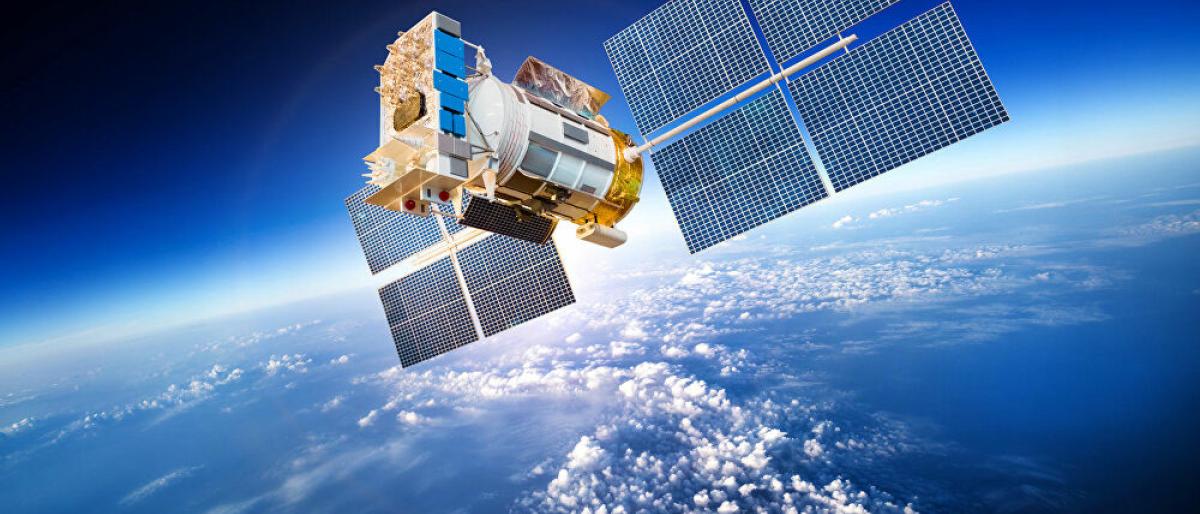
From the bustling transponders of geostationary satellites to the niche beams targeting specific regions, the world of free-to-air and encrypted broadcasting offers endless possibilities for global audiences. Yet, amid this abundance, the challenge lies in pinpointing reliable frequencies and avoiding outdated data that leads to frustrating tuning failures.
Signal Flow bridges this gap by compiling precise, expert-vetted frequency charts, modulation specs, and curated snippets of channel lineups from every major orbital position. Whether you’re optimizing a home setup or troubleshooting professional installations, our insights are designed to deliver results fast and without guesswork.
In this article, we’ll uncover the freshest updates to keep your satellite feed sharp and vibrant—ready to tune in?
The satellite broadcasting landscape is constantly shifting, with new channels launching, frequencies adjusting, and content offerings expanding across global orbits. For viewers and technicians who demand precision and reliability, having access to verified, real-time data is not just convenient—it’s essential to unlocking the full potential of your receiver.
At Signal Flow, we specialize in curating accurate frequency lists, signal parameters, and curated highlights from major satellites, ensuring you spend less time searching and more time enjoying premium programming. Our updates are sourced carefully and presented clearly to support both beginners and seasoned installers.
Join us as we break down the latest details, helping you tune in effortlessly to the channels and entertainment you love most.
Signal Flow stands as your premier destination for everything related to satellite television frequencies and channels worldwide. In an era where satellite broadcasting continues to evolve rapidly, staying updated with accurate frequencies and channel details is crucial for enthusiasts, technicians, and everyday viewers alike.
We pride ourselves on delivering comprehensive, reliable, and regularly updated guides covering all major satellites, including the latest frequencies, signal strengths, and key channel information. Alongside this, Signal Flow offers concise overviews of standout programs and content highlights to help you discover the best of what’s available.
Signal Flow stands as your premier destination for everything related to satellite television frequencies and channels worldwide. In an era where satellite broadcasting continues to evolve rapidly, staying updated with accurate frequencies and channel details is crucial for enthusiasts, technicians, and everyday viewers alike.
We pride ourselves on delivering comprehensive, reliable, and regularly updated guides covering all major satellites, including the latest frequencies, signal strengths, and key channel information. Alongside this, Signal Flow offers concise overviews of standout programs and content highlights to help you discover the best of what’s available.
The Astra 1 satellite, positioned at 19.2º East, stands as a cornerstone of satellite broadcasting, delivering a vast array of television and radio services to millions across Europe and parts of North Africa.
Operated by SES, a global leader in satellite communications, Astra 1 is renowned for its ability to transmit over 1,150 channels, making it a pivotal hub for entertainment and connectivity.
This article delves into the unique features of Astra 1, exploring its history, launch milestones, coverage areas, technological advancements, and its critical role in shaping the viewing experience for millions.
A Celestial Gateway: Overview of Astra 1
Astra 1, also known as Astra 19.2ºE, refers to a cluster of satellites stationed at the 19.2º East orbital slot in the Clarke Belt, managed by SES, headquartered in Betzdorf, Luxembourg.
This orbital position was the first utilized by SES, initially named Astra 1, but rebranded in 2008 to Astra 19.2ºE to distinguish it from other Astra orbital slots.
Operating in the Ku-band frequency range (10.70–12.70 GHz), Astra 1 delivers a mix of free-to-air and encrypted television and radio services.
Astra 1 is a powerhouse in European broadcasting, serving over 118.4 million households through 147 transponders (145 in Ku-band and 2 in Ka-band), supporting direct-to-home (DTH), cable, and IPTV distribution.
It is a pioneer in high-definition television (HDTV), broadcasting over 40 HD channels via platforms like HD+ in Germany, elevating the visual quality for viewers.
Its strategic position and robust infrastructure make it a go-to satellite for broadcasters and viewers alike.
A Journey Through Time: History and Launch of Astra 1
The Astra 1 saga began with the launch of Astra 1A on December 11, 1988, marking Europe’s first dedicated direct-to-home (DTH) satellite.
Equipped with 16 transponders, it commenced broadcasting in February 1989, carrying iconic channels like Sky Television and MTV Europe.
This was followed by Astra 1B in 1991 and Astra 1C in 1993, introducing SES’s innovative “co-location” strategy, where multiple satellites are positioned within a 150 km orbital cube to ensure redundancy and flexibility.
In 1994, Astra 1D was launched, initially intended for digital broadcasting but adapted for analog due to market demand. The transition to digital began with Astra 1E in 1995, setting the stage for subsequent satellites like Astra 1KR, 1L, 1M, and 1N.
The latest addition, Astra 1P (also known as SES-24), was launched on June 20, 2024, via a SpaceX Falcon 9 rocket. As the most advanced satellite in this slot, Astra 1P boasts 80 Ku-band transponders capable of delivering 500 HDTV channels.
In February 2025, all services from older satellites (Astra 1KR and 1L) were migrated to Astra 1P, paving the way for their retirement.
Spanning Continents: Coverage Areas of Astra 1
Astra 19.2ºE is strategically positioned to serve a vast geographical footprint, primarily focusing on Europe and extending to parts of North Africa. Key regions include:
-
Germany, Austria, and Switzerland: Serving 42 million TV households, Astra 1 is a market leader in Germany, powering platforms like HD+ and ZDF with robust channel offerings.
-
France: Reaching 17.5 million households through providers like CANAL+ and Orange, it supports both free and pay-TV services.
-
Spain: Covering 7.5 million households via Movistar+ (Telefonica), it delivers international and local channels.
-
North Africa: Providing coverage to countries like Morocco, Algeria, and Tunisia, where it supports DTH services.
-
Other Regions: Including Belgium, the Netherlands, Poland, parts of Italy, and Eastern Europe, with signal strength varying by location.
Astra 1 utilizes multiple beams, such as the wide European beam for Northern and Central Europe and targeted beams for Spain and Southern Italy. Its proximity to Astra 23.5ºE allows viewers to receive channels from both positions using a single dish with a Duo LNB, enhancing installation efficiency.
Cutting-Edge Innovation: Technical Features of Astra 1
Astra 1 is distinguished by its advanced technology, setting benchmarks in satellite broadcasting:
-
High-Definition Broadcasting: A trailblazer in HDTV, Astra 19.2ºE delivers over 40 HD channels, with platforms like HD+ offering premium visual experiences.
-
Co-Location Strategy: Multiple satellites in the same orbital slot ensure seamless service continuity and resilience against technical failures.
-
Astra 1 Sports Platform: Launched in 2022, this service optimizes sports content delivery, supporting high-quality live broadcasts across Europe.
-
Efficient Bandwidth Utilization: The Ku-band transponders, especially on Astra 1P, maximize channel capacity, enabling the transmission of hundreds of HD and SD channels.
-
Digital and Encrypted Services: Supports a mix of free-to-air channels and encrypted services via smartcards, catering to diverse viewer preferences.
The introduction of Astra 1P in 2024 marked a leap forward, with its enhanced transponder capacity and energy-efficient design, ensuring long-term sustainability and superior performance.
A Viewer’s Paradise: Channels and Services
Astra 19.2ºE hosts a staggering 1,150+ television and radio channels, making it a viewer’s paradise. Key offerings include:
-
German Market: Channels like RTL, ProSieben, Sat.1, and public broadcasters ARD and ZDF, alongside HD+ exclusives like RTL UHD.
-
French Market: CANAL+ bouquet, TF1, M6, and free-to-air channels like France 2 and France 3.
-
Spanish Market: Movistar+ channels, including sports, movies, and international content like BBC World News.
-
International Channels: A mix of news (e.g., CNN, Al Jazeera), entertainment (e.g., MTV), and niche channels for expatriate communities.
-
Radio Services: Hundreds of radio stations, including BBC Radio and regional European broadcasts.
The satellite supports both standard-definition (SD) and high-definition (HD) channels, with a growing emphasis on ultra-high-definition (UHD) content, particularly for sports and premium movies.
Tips for Receiving Astra 1
To access Astra 1’s vast channel lineup, proper equipment and setup are essential. Here are key tips:
-
Dish Size: A 60-80 cm dish is sufficient for Central Europe (e.g., Germany, France). In fringe areas (e.g., North Africa or Eastern Europe), a 90-120 cm dish is recommended.
-
Dish Alignment: Use a satellite finder or app (e.g., DishPointer) to align your dish to 19.2ºE, ensuring a clear line of sight.
-
LNB Selection: A Universal Ku-band LNB (9.75/10.6 GHz) is ideal. For multi-satellite reception, use a Monoblock or Duo LNB.
-
Receiver Compatibility: Ensure your receiver supports DVB-S/S2 standards for SD, HD, and UHD channels. Smartcards may be required for encrypted services.
-
Signal Check: Aim for 70%+ signal quality on your receiver’s setup menu to avoid disruptions.
-
Weather Considerations: Secure the dish to withstand rain or wind, as Ku-band signals can be affected by adverse weather.
The Future of Astra 1
Astra 19.2ºE continues to evolve, with SES investing in next-generation satellites to meet the demand for high-quality content.
The deployment of Astra 1P underscores SES’s commitment to sustainability, with its all-electric propulsion system reducing launch costs and environmental impact.
Future advancements may include broader UHD adoption, enhanced interactive services, and integration with hybrid satellite-IPTV platforms.
As streaming services grow, Astra 1 remains a vital complement, offering reliable DTH broadcasting to areas with limited internet connectivity.
Astra 1 at 19.2ºE is more than a satellite—it’s a gateway to entertainment, connecting over 118 million households with a rich tapestry of television and radio content.
From its pioneering launch in 1988 to the cutting-edge Astra 1P in 2024, it has shaped Europe’s broadcasting landscape with its extensive coverage, technological innovation, and diverse channel offerings.
Whether you’re in Germany watching HD+ or in North Africa tuning into free-to-air channels, Astra 1 delivers unmatched reliability and quality.
By following the reception tips and staying updated with transponder settings, you can unlock the full potential of this broadcasting beacon and immerse yourself in a world of entertainment.
Additional Tips for Ensuring Strong Channel Signal Reception
Precise Dish Alignment: Always ensure your dish is accurately pointed toward the target satellite, using the correct elevation and azimuth angles for your geographic location. Tools like satellite alignment apps or a Sat Finder device can greatly simplify this process and help avoid partial signal loss.
Regular Equipment Maintenance: Keep your setup in top condition by cleaning the dish from dust and debris, checking cables and connectors for wear or corrosion, and replacing the LNB if you notice weakening signal strength. Opt for high-quality coaxial cables to reduce signal loss over long runs.
Handling Interference and Updates: If you face interference or temporary weak signals, try repositioning the dish slightly to clear obstructions like trees or buildings. Stay on top of frequency changes, as channels occasionally update them, and remember that severe weather can cause short-term disruptions—patience often resolves these.
That’s all you need for smooth and reliable channel viewing. Stay tuned to Signal Flow for daily updates and exclusive frequencies, and feel free to share your experiences with us!
إليك خاتمة جديدة تمامًا ومميزة باللغة الإنجليزية، مختلفة عن السابقات، مع فقرة تمهيدية قصيرة، عنوان فرعي، نصائح إضافية بتنسيق نقاط bullet متنوعة وعملية، وفقرة ختامية جذابة تدعو للتفاعل:
To wrap up today’s frequency update, applying a few expert tweaks can transform your satellite viewing from good to exceptional. These practical recommendations will help you overcome common challenges and enjoy crystal-clear reception every time.
Pro Tips for Perfect Satellite Signal Reception
- Upgrade Your LNB Wisely: Choose a high-gain or universal LNB suited to your satellite’s polarization (linear or circular). A quality LNB can dramatically improve weak signals, especially in fringe reception areas.
- Use Signal Boosters Strategically: For long cable runs or multi-receiver setups, add a reliable inline amplifier or distribution amp to compensate for signal loss without introducing noise.
- Perform Regular Signal Scans: After any frequency update, run a full blind scan on your receiver to discover new channels or transponders. This ensures you never miss hidden gems or newly added services.
- Protect Against Environmental Factors: Install a dish heater for regions with heavy snow, or use UV-resistant cable ties and covers to shield equipment from sun damage and extend its lifespan.
- Join Online Communities: Follow satellite enthusiast forums and groups for real-time alerts on signal changes, solar outages, or sun transit interruptions that affect reception twice a year.
We hope this guide helps you get the most out of your satellite setup. Signal Flow is committed to bringing you the freshest frequencies and insights daily—bookmark us, share your success stories in the comments, and let us know which satellite you’d like us to cover next!