Signal Flow stands as your premier destination for everything related to satellite television frequencies and channels worldwide. In an era where satellite broadcasting continues to evolve rapidly, staying updated with accurate frequencies and channel details is crucial for enthusiasts, technicians, and everyday viewers alike.
We pride ourselves on delivering comprehensive, reliable, and regularly updated guides covering all major satellites, including the latest frequencies, signal strengths, and key channel information. Alongside this, Signal Flow offers concise overviews of standout programs and content highlights to help you discover the best of what\’s available.
From the bustling transponders of geostationary satellites to the niche beams targeting specific regions, the world of free-to-air and encrypted broadcasting offers endless possibilities for global audiences. Yet, amid this abundance, the challenge lies in pinpointing reliable frequencies and avoiding outdated data that leads to frustrating tuning failures.
Signal Flow bridges this gap by compiling precise, expert-vetted frequency charts, modulation specs, and curated snippets of channel lineups from every major orbital position. Whether you’re optimizing a home setup or troubleshooting professional installations, our insights are designed to deliver results fast and without guesswork.
In this article, we’ll uncover the freshest updates to keep your satellite feed sharp and vibrant—ready to tune in?
The satellite broadcasting landscape is constantly shifting, with new channels launching, frequencies adjusting, and content offerings expanding across global orbits. For viewers and technicians who demand precision and reliability, having access to verified, real-time data is not just convenient—it’s essential to unlocking the full potential of your receiver.
At Signal Flow, we specialize in curating accurate frequency lists, signal parameters, and curated highlights from major satellites, ensuring you spend less time searching and more time enjoying premium programming. Our updates are sourced carefully and presented clearly to support both beginners and seasoned installers.
Join us as we break down the latest details, helping you tune in effortlessly to the channels and entertainment you love most.
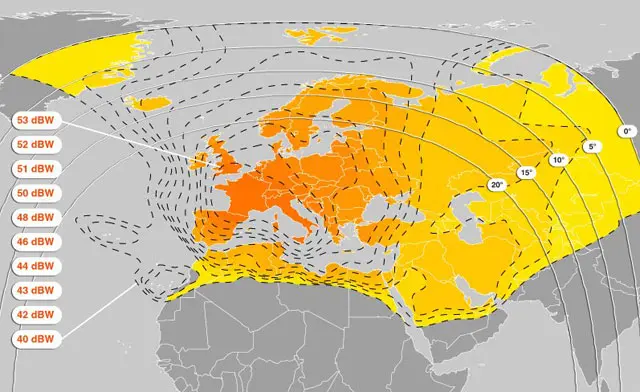
Hotbird is one of the most widely used communication satellites for broadcasting television and radio channels across Europe, the Middle East, and parts of North Africa.
Since its launch in 1995, the Hotbird satellite fleet has played a significant role in providing a wide variety of content, including free-to-air, subscription-based channels, and internet services.
With its strategic orbital position and advanced technology, Hotbird has established itself as a leader in the satellite broadcasting industry.
🚀 On the subject of Hotbird
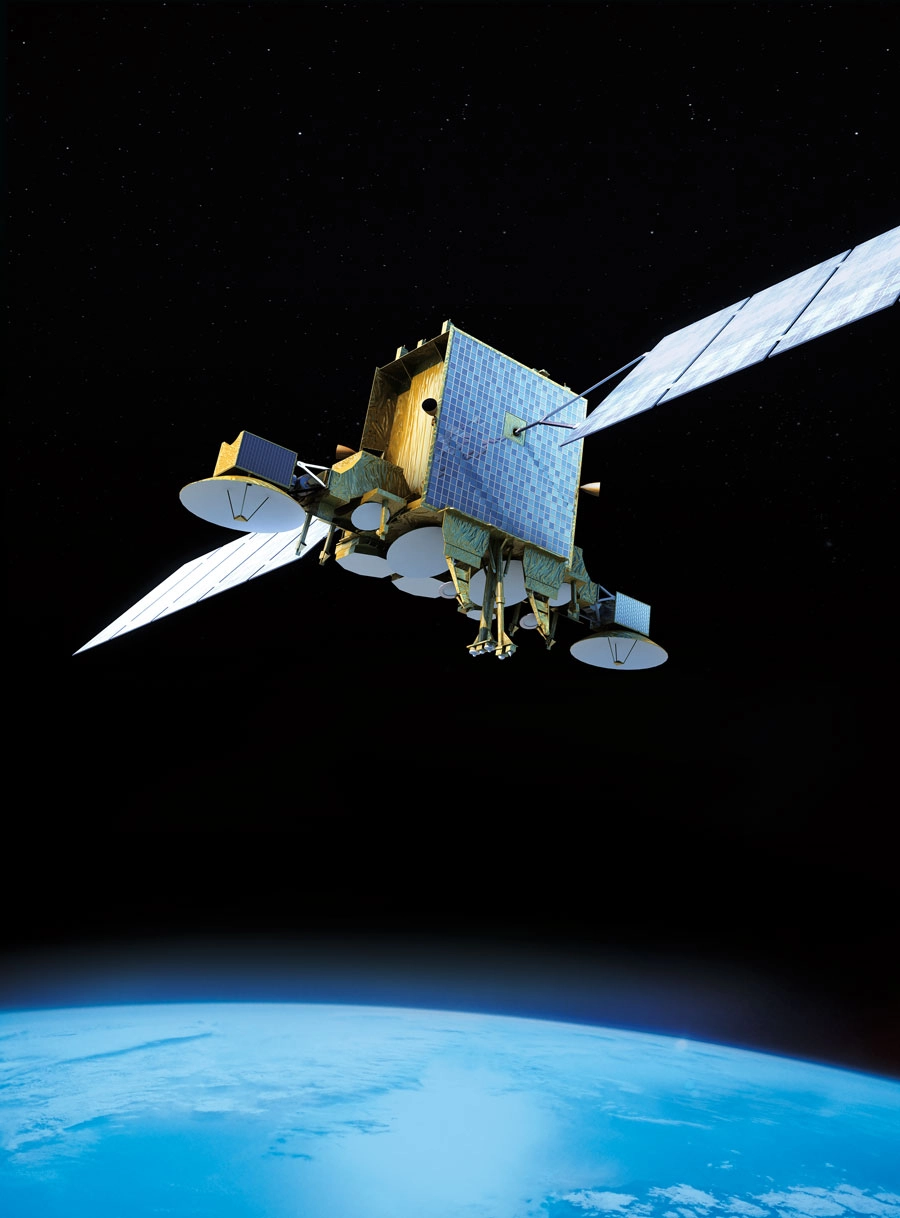
Hotbird is operated by Eutelsat, one of the world’s leading satellite operators. The Hotbird satellite fleet consists of multiple satellites, such as Hotbird 13C, Hotbird 13B, and Hotbird 13E, which are positioned at 13° East longitude. This prime location allows Hotbird to provide coverage across large parts of Europe, the Middle East, and North Africa.
Hotbird offers an extensive array of services, including:
-
Television channels: A variety of TV channels, including news, sports, entertainment, and educational programming.
-
Radio broadcasting: Both FM and satellite radio services.
-
Data and internet services: Reliable internet and communication links for businesses and individuals.
-
Corporate communications: Private communication channels for corporate and government use.
🌐 Hotbird’s Satellite Fleet
The Hotbird fleet includes several satellites positioned in the same orbital slot at 13° East, which gives it an exceptional ability to serve a large area of coverage.
Key satellites in the Hotbird fleet include:
-
Hotbird 13B
-
Hotbird 13C
-
Hotbird 13E
-
Hotbird 13F (Upcoming)
These satellites are equipped with high-powered transponders that deliver a wide range of services across the broadcast and telecommunication sectors.
🛰️ Frequencies and Services on Hotbird
Hotbird offers services through several frequency bands, including the Ku-band and Ka-band. These frequencies are used for different purposes:
-
Ku-band: The most common frequency for satellite TV and radio services. It offers high-quality transmission with smaller dishes and supports high-definition (HD) channels and internet services.
-
Ka-band: Used for high-capacity data services and satellite internet, offering faster speeds and lower latency.
Hotbird’s wide range of frequencies enables users to access hundreds of television channels, radio stations, and internet services across a broad area.
📡 How to Receive Hotbird Signals
To receive signals from the Hotbird satellite, users need a satellite dish that is properly aligned to the 13° East orbital position. The dish should be connected to a compatible receiver, which will allow the user to tune in to the correct frequencies.
Common Hotbird Frequencies:
-
Hotbird 13C Frequency:
-
Frequency: 11.647 GHz (Horizontal)
-
Symbol Rate: 27500
-
FEC: 3/4
-
-
Hotbird 13B Frequency:
-
Frequency: 12.722 GHz (Vertical)
-
Symbol Rate: 27500
-
FEC: 3/4
-
These frequencies are used for a variety of services, including satellite TV channels, radio stations, and data transmission.
For precise information on the frequencies and satellite settings, FreqSatellite is an excellent resource that provides updated details for users looking to tune their satellite systems to Hotbird’s services.
Hotbird is a major player in satellite broadcasting, offering wide-reaching coverage and reliable services across Europe, the Middle East, and North Africa. Its fleet of satellites provides a broad range of services, including television, radio, internet, and data transmission, making it a key player in the communication industry.
If you are looking to set up a satellite system to receive Hotbird signals or need the latest frequency updates, FreqSatellite offers the most comprehensive guides and settings for all your satellite needs.
إليك خاتمة جديدة تمامًا ومميزة باللغة الإنجليزية، مختلفة عن السابقات، مع فقرة تمهيدية قصيرة، عنوان فرعي، نصائح إضافية بتنسيق نقاط bullet متنوعة وعملية، وفقرة ختامية جذابة تدعو للتفاعل:
To wrap up today’s frequency update, applying a few expert tweaks can transform your satellite viewing from good to exceptional. These practical recommendations will help you overcome common challenges and enjoy crystal-clear reception every time.
Pro Tips for Perfect Satellite Signal Reception
- Upgrade Your LNB Wisely: Choose a high-gain or universal LNB suited to your satellite’s polarization (linear or circular). A quality LNB can dramatically improve weak signals, especially in fringe reception areas.
- Use Signal Boosters Strategically: For long cable runs or multi-receiver setups, add a reliable inline amplifier or distribution amp to compensate for signal loss without introducing noise.
- Perform Regular Signal Scans: After any frequency update, run a full blind scan on your receiver to discover new channels or transponders. This ensures you never miss hidden gems or newly added services.
- Protect Against Environmental Factors: Install a dish heater for regions with heavy snow, or use UV-resistant cable ties and covers to shield equipment from sun damage and extend its lifespan.
- Join Online Communities: Follow satellite enthusiast forums and groups for real-time alerts on signal changes, solar outages, or sun transit interruptions that affect reception twice a year.
We hope this guide helps you get the most out of your satellite setup. Signal Flow is committed to bringing you the freshest frequencies and insights daily—bookmark us, share your success stories in the comments, and let us know which satellite you’d like us to cover next!
إليك خاتمة جديدة تمامًا ومميزة باللغة الإنجليزية، مختلفة عن السابقات، مع فقرة تمهيدية قصيرة، عنوان فرعي، نصائح إضافية بتنسيق نقاط bullet متنوعة وعملية، وفقرة ختامية جذابة تدعو للتفاعل:
To wrap up today’s frequency update, applying a few expert tweaks can transform your satellite viewing from good to exceptional. These practical recommendations will help you overcome common challenges and enjoy crystal-clear reception every time.
Pro Tips for Perfect Satellite Signal Reception
- Upgrade Your LNB Wisely: Choose a high-gain or universal LNB suited to your satellite’s polarization (linear or circular). A quality LNB can dramatically improve weak signals, especially in fringe reception areas.
- Use Signal Boosters Strategically: For long cable runs or multi-receiver setups, add a reliable inline amplifier or distribution amp to compensate for signal loss without introducing noise.
- Perform Regular Signal Scans: After any frequency update, run a full blind scan on your receiver to discover new channels or transponders. This ensures you never miss hidden gems or newly added services.
- Protect Against Environmental Factors: Install a dish heater for regions with heavy snow, or use UV-resistant cable ties and covers to shield equipment from sun damage and extend its lifespan.
- Join Online Communities: Follow satellite enthusiast forums and groups for real-time alerts on signal changes, solar outages, or sun transit interruptions that affect reception twice a year.
We hope this guide helps you get the most out of your satellite setup. Signal Flow is committed to bringing you the freshest frequencies and insights daily—bookmark us, share your success stories in the comments, and let us know which satellite you’d like us to cover next!
This brings us to the end of today’s satellite frequency guide, packed with the details you need for immediate tuning success. To make sure your experience stays flawless over time, consider adopting these often-overlooked strategies that separate casual viewers from true satellite masters.
Advanced Strategies for Mastering Your Satellite System
- Build a Personal Frequency Database: Maintain your own spreadsheet or app list of proven frequencies and transponders. This custom archive becomes invaluable when official sources lag during sudden changes or emergencies.
- Leverage Dual-Feed Setups: Install a dual or quad LNB to receive signals from nearby satellites simultaneously without moving the dish—perfect for combining popular positions like 7°W and 13°E on one fixed setup.
- Monitor Signal Health Proactively: Use your receiver’s built-in spectrum analyzer (if available) or affordable USB tools to spot emerging interference before it disrupts viewing.
- Prepare for Future Technologies: Keep an eye on emerging standards like DVB-S2X and 8K broadcasts. Upgrading your receiver gradually ensures you’re ready when high-bandwidth channels become mainstream.
- Contribute to the Community: Share your successful findings on enthusiast forums or social groups. The satellite hobby thrives on collective knowledge, and your input could help others worldwide.
Thank you for choosing Signal Flow as your daily companion in the ever-expanding world of satellite television. We’re passionate On the subject of keeping you connected to the clearest signals and richest content—until the next update, enjoy flawless viewing under the stars!